Program Overview
The Digital Security & Civil Society Resilience program safeguards activists, journalists, and communities under systematic surveillance. We combine advanced cyber threat research with direct security assistance, creating practical defenses against spyware, data collection, and digital harassment. Our goal is to make civil society resilient—technically, strategically, and psychologically—in environments where privacy is criminalized.
Keys
Key Pillars

Surveillance Countermeasures
Technical research to uncover state-linked spyware and tracking systems.

Privacy Protection
Tools and training that secure communications and devices.

Threat Intelligence:
Continuous monitoring of Iranian and regional threat actors.

Capacity Building
Practical support and forensic response for digital incidents
Projects
Projects We Support
Mahsa Alert
Mahsa Alert is a crisis awareness platform that helps civilians stay informed during conflict, repression, and instability.
Visit Mahsa Alert
CTI Watch
A human-centric threat intelligence platform that translates complex cyber data into accessible insights for defenders and policymakers.
Explore Our Tools and Reports
RaazNet
Privacy Rights & Surveillance Monitoring: auditing and exposing state surveillance systems, publishing countermeasures, and raising awareness.
Visit RaazNet
Impact
Featured Impact
RaazNet identified domestic spyware families used against activists and women’s rights defenders, prompting advocacy that pressured vendors and platforms to act.
Our Impact
Expanding Access, Securing Rights
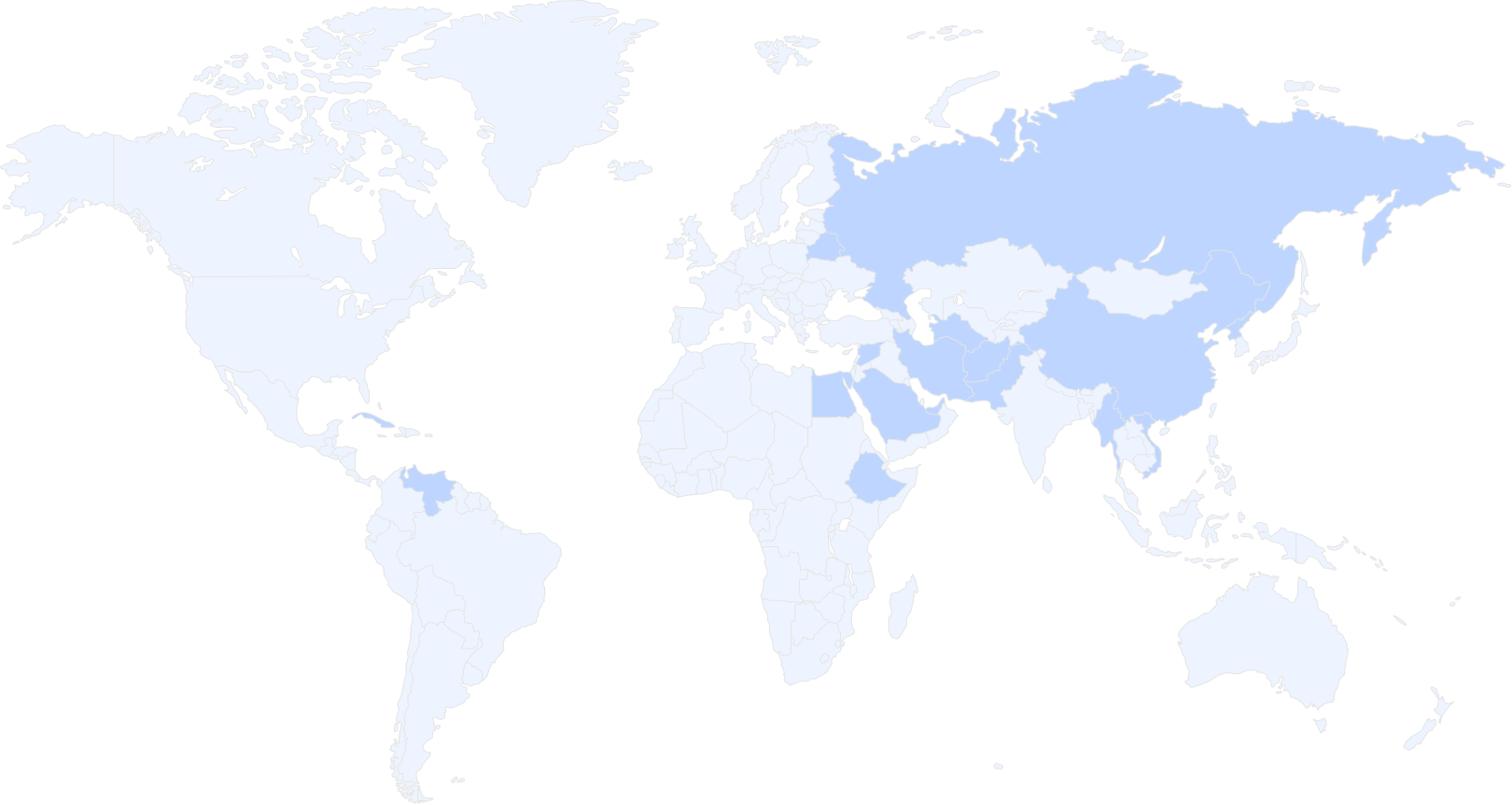
Freedom Score
Internet Access
Blocked
VPNs
23/100
400+ "fake news"
200,000+ sites
15 services banned 2024
Russia
Freedom Score
Blocked
Imprisoned
Surveillance
9/100
10,000+ domains
1,000+/ year
Social Credit + AI
China
Freedom Score
Shutdowns 2024
Cost
Imprisoned
22/100
250+ days total
$1.5B lost
100+ hate speech law
Ethiopia
Freedom Score
Imprisoned
Blocked
Spyware
25/100
50+ for tweets
400,000+ domains
Pegasus on dissidents
Saudi Arabia
Freedom Score
Imprisoned
VPN Penalty
Spyware
27/100
60+ for criticism
$545K fine + jail
NSO tools deployed
UAE
Freedom Score
Imprisoned
Blocked
Registration
26/100
174+ cyber crime
600+ news sites
Required since 2018
Egypt
Freedom Score
Shutdowns 2024
Imprisoned
Throttling
24/100
12 times
80+ for posts
90% during protests
Venezuela
Freedom Score
Internet Cost
Imprisoned
Home Internet
20/100
$1/hr (20% daily wage)
140+ for posts
Only since 2019
Cuba
Freedom Score
Shutdown 2020
Imprisoned
Penalty
20/100
3-day blackout
1,500+ political
Up to 15 years
Belarus
Freedom Score
Internet Access
Imprisoned
Control
17/100
Only 39%
300+ online dissidents
All traffic state-monitored
Syria
Freedom Score
Internet Access
Blocked
Penalty
2/100
0.01% of population
99% of global internet
Labor camps/execution
North Korea
Freedom Score
Imprisoned
Force 47
Censorship
21/100
39 currently jailed
10,000 cyber troops
95% removal rate
Vietnam
Freedom Score
Imprisoned
Shutdowns
Control
18/100
170+ since coup
500+ days ongoing
Military monitors all
Myanmar
Freedom Score
Imprisoned
Shutdowns 2024
Speed
16/100
900+ (2022-23)
150+ days
80% throttled in protests
Iran
Freedom Score
Blasphemy
Shutdowns 2024
Firewall
27/100
200+ arrested
150+ mobile
All traffic monitored
Pakistan
Freedom Score
Women
Shutdowns 2024
Imprisoned
8/100
Banned from Social Media
34 Times
200+ journalists
Afganistan
Freedom Score
Internet Cost
Blocked
Control
6/100
$1,900/year (80% of income)
~90% of sites
Single state ISP
Turkmanistan
Source: Freedom House 2024, Access Now, CPJ, HRW
90,000,000
M
Successful connections via our VPNs and allied circumvention tools every month
500
+
Community
Networks connected to resilient internet through Starlink based networks
10
+
Surveillance
Operations tracked and exposed through our threat intelligence
100,000
+
People
In our network supported to build and run their own resilient circumvention systems.
Challenge
In the heart of a repressive regime, a quiet revolution was taking place — not with protests or weapons, but with job training manuals, laptops, and a belief in economic empowerment.
Under Sudan’s long-standing authoritarian rule, surveillance was not just a tool of state security — it was the state’s lifeline. Phones were tapped, internet cafes monitored, and even casual conversations could land citizens in detention. But what the regime didn't anticipate was how a simple employment training program could loosen its grip on civil society.
In the photo above, taken at a transit station just outside Khartoum, hundreds gather under the warm evening sun. While it may seem like a typical crowd waiting for transportation, this was no ordinary movement of people. These were participants of a groundbreaking employment training initiative — one designed not only to teach job skills but to rebuild community agency and resilience.
Many of them had traveled from rural areas, conflict zones, or displacement camps. Their goal was not just personal development, but collective transformation. The program offered them more than training — it gave them access to tools that could make them economically independent and digitally literate, breaking their dependency on the state and allowing them to connect with the outside world.
Partners
Partners & Collaborations

ASL19

United for Iran
ASL19
United for Iran
Our Program
Driving Change, Securing Freedom


Get Involved
Help protect civil society from digital repression.